 Electrifying Zoo Facilities
Problem statement
The Henry Vilas Zoo in Madison, Wisconsin, currently relies on methane-powered systems to regulate the temperature and humidity necessary for the welfare of animals in several enclosures. This dependence on fossil fuels conflicts with Dane County’s climate action plan to eliminate fossil fuel use by 2040 and compromises the zoo’s position as a leader in environmental education. An urgent solution is required; despite the existence of electrification technologies, they are seldom implemented in northern climate zoos, where reliability is essential. This situation poses risks of increased long-term operational costs, non-compliance with climate commitments, and missed opportunities to demonstrate sustainability. For our client and county stakeholders, transitioning to electric systems represents more than an infrastructure update; it aligns operational practices with the core values of environmental responsibility. For secondary audiences – including zoo visitors, students, and the animals – the transition reinforces trust in the zoo’s mission and ensures ongoing animal welfare. While some may consider electrification costly or challenging due to Wisconsin’s cold climate, recent advancements in high-efficiency systems by the Pacific Northwest National Laboratory (Mendon, 2025) demonstrate that effective solutions are available. Ultimately, replacing methane systems with all-electric alternatives will enable Henry Vilas Zoo to protect animal health, reduce long-term costs, and become the first fossil-fuel-free zoo in a cold climate, serving as a model for similar institutions nationwide.
Team members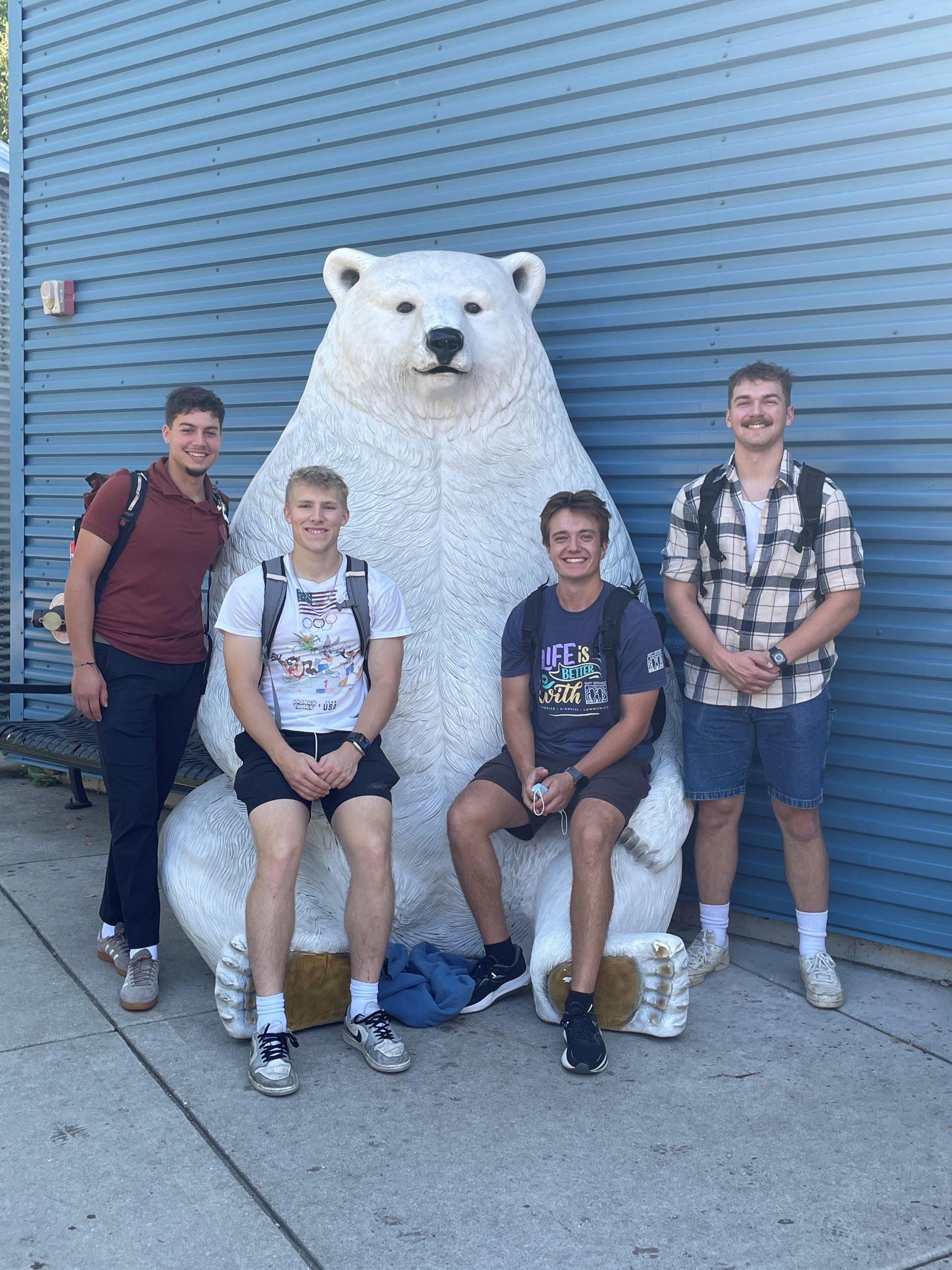
Andrew Amaya – admin
Nicholas Hartley – facilitator
Wylie Baumer – communicator
Will Kaufmann – accountant
Client
Kathy Kuntz
Dane County Office of Energy & Climate Change