 Enriching the Lives of Zoo Animals Through Engineering
Problem statement
Imagine living in a world that rarely changes. Meals arrive the same way at the same time every day. There are no new problems to solve and no new places to explore. For harbor seals in captivity, that kind of routine can lead to stereotypic behaviors that dull natural foraging instincts and curb healthy curiosity. At least 10,000 out of 600,000 birds and mammals in zoos worldwide exhibit these damaging habits [1]. Stereotypic behaviors can lead to lasting damage to the central nervous system such as impaired brain development [1]. Zookeepers are committed to high animal welfare standards by encouraging natural behaviors, but many current enrichment tools are short-lived, quickly solved, or slow to reset. While building new enrichment toys can be expensive for Vilas park, a zoo with free entry, keeping the animals happy and healthy is crucial for their wellbeing. The harbor seals at Vilas Zoo have gone through many enrichment toys, and get bored with products currently on the market.
We intend on creating an enrichment device that will prompt long-term problem solving by designing a toy that encourages natural behaviors such as foraging, curiosity, and using body parts in different ways. The device will be easy to use, manipulatable, and retrievable by zookeepers. Our solution will result in an enrichment system that encourages natural foraging and cognitive engagement among seals in captivity.
[1]
R. N. Makecha and L. E. Highfill, ‘Environmental Enrichment, Marine Mammals, and Animal Welfare: A Brief Review,’ Aquat Mamm, vol. 44, no. 2, pp. 221-230, Mar. 2018, doi: 10.1578/AM.44.2.2018.221.
Team members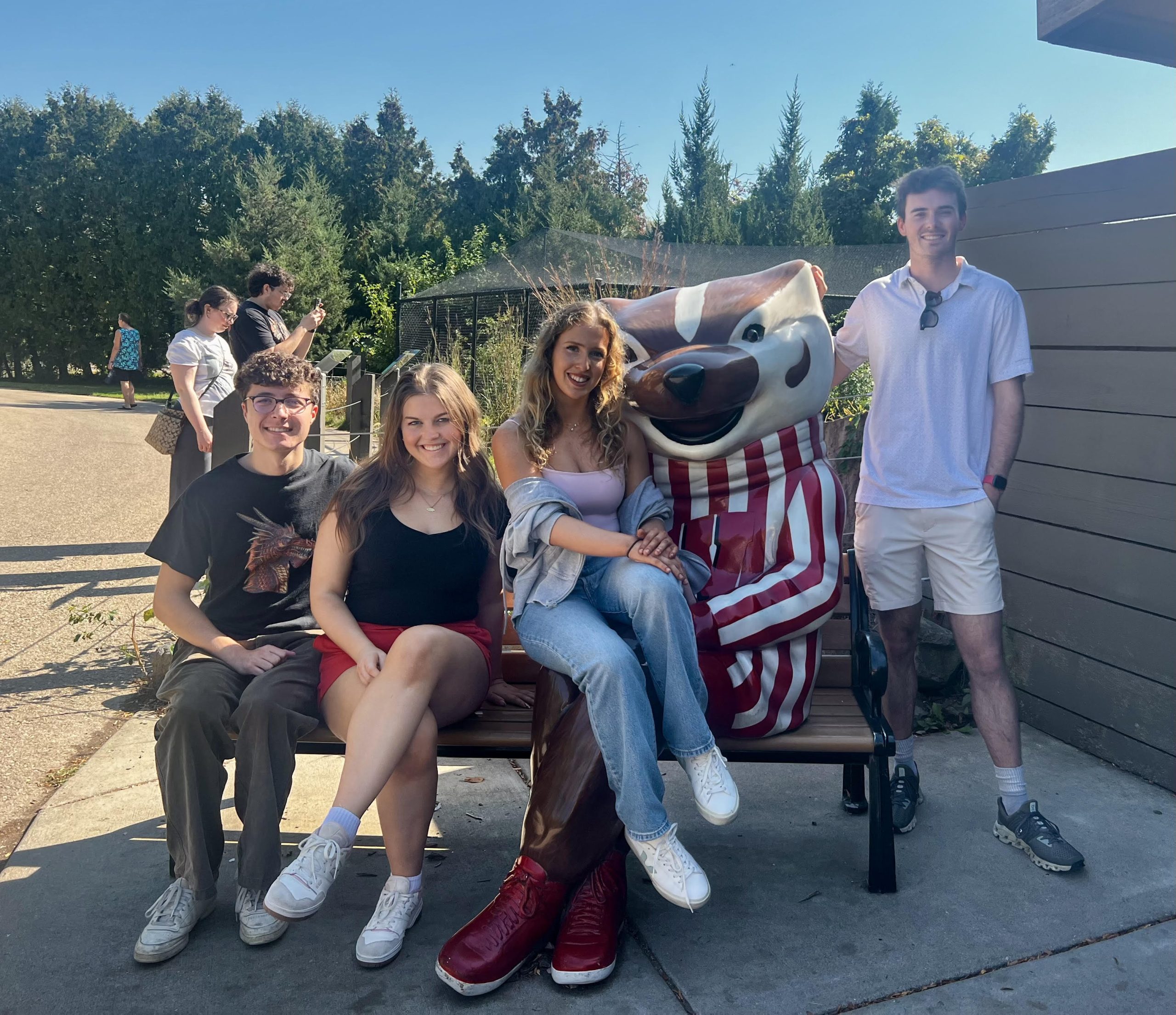
Anna Thomley – communicator
Jacob Laing – admin
Nick Zimmer – accountant
Aurora Purper – facilitator
Client
Lennon Rodgers
UW – DI Lab