Badger Sniffers

Hydrogen Automated Leak Detection
Problem statement
According to OurWorldInData, in 2024, 80% of the United States’ primary energy consumption came from fossil fuels. With decarbonization rapidly gaining momentum throughout the world, there is significant need for a reliable source of clean energy-not only to curb emissions, but to ensure a healthy future for generations to come. Although solar and wind power have shown significant technological progress, a practical fuel that can reliably deliver energy at scale, day and night, is still missing from the equation. Hydrogen (H2) has emerged as a leading candidate for this role; however, hydrogen’s unique characteristics as the smallest element introduce formidable obstacles for its reliable detection, handling, and storage. These challenges arise from its low volumetric energy density2, propensity to permeate containment systems, and damaging interactions with storage materials. Recognizing the critical nature of these issues, the director of the Department of Energy’s Advanced Research Projects Agency – Energy (ARPA-E) emphasized: “the ability to detect and quantify hydrogen will enable the safe and economical expansion of the hydrogen economy while mitigating its climate impact.” This research aims to tackle these technical hurdles, enabling hydrogen to serve as a dependable, efficient, and safe energy source for decades to come.
Team members
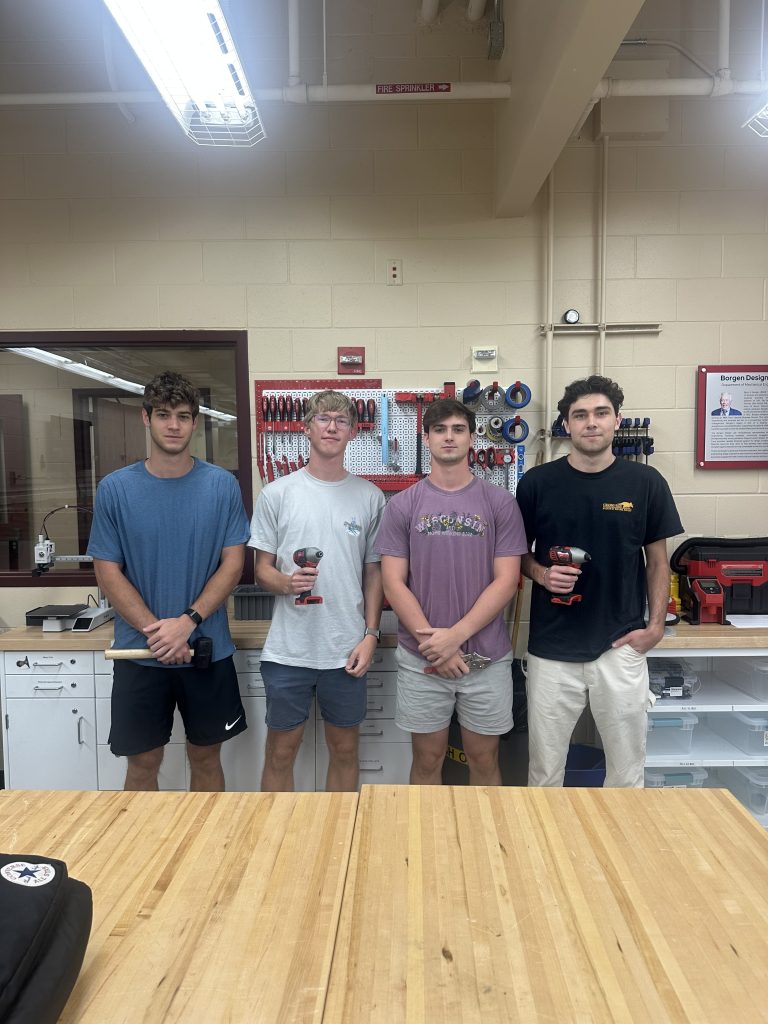
Bradley Hamroff – admin
Brenden Pavlik – facilitator
Calvin Rahn – accountant
Matthew Lia – communicator
Client
Scott Sanders
UW – Mechanical Engineering