Badger Predictive Thermal Management
Predictive Thermal Management Control for Hybrid and Electric Vehicles

Problem statement
Oshkosh Corporation needs a model cooling cycle to determine the efficiency of a rule-based vs. a predictive control modeling cooling system in its electric and hybrid vehicles. According to representatives from Oshkosh: batteries and power electronic components are currently cooled under worst-case operating conditions or specific operating systems such as charging. This involves the pump acting strictly in on-off settings, which can be very inefficient. Implementing a predictive control model for battery and power electronic cooling could reduce the amount of energy spent cooling the battery, thereby improving battery life and reliability for customers. It is important with electric vehicles to reduce power consumption wherever possible, as battery life is a huge part of the user experience. The goal of this project is to judge the feasibility of this through designing, building, and testing a mock cooling cycle with a control model implemented into it. Oshkosh could alternatively do this “in-house”; however, the process of assembling, coding, and testing the cooling cycle is incredibly time-intensive, making it more cost-effective to have students perform these experiments as opposed to full-time engineers. With this data, Oshkosh will be able to implement a new cooling system into its electric and hybrid vehicles that will allow for an improved customer experience.
Team members

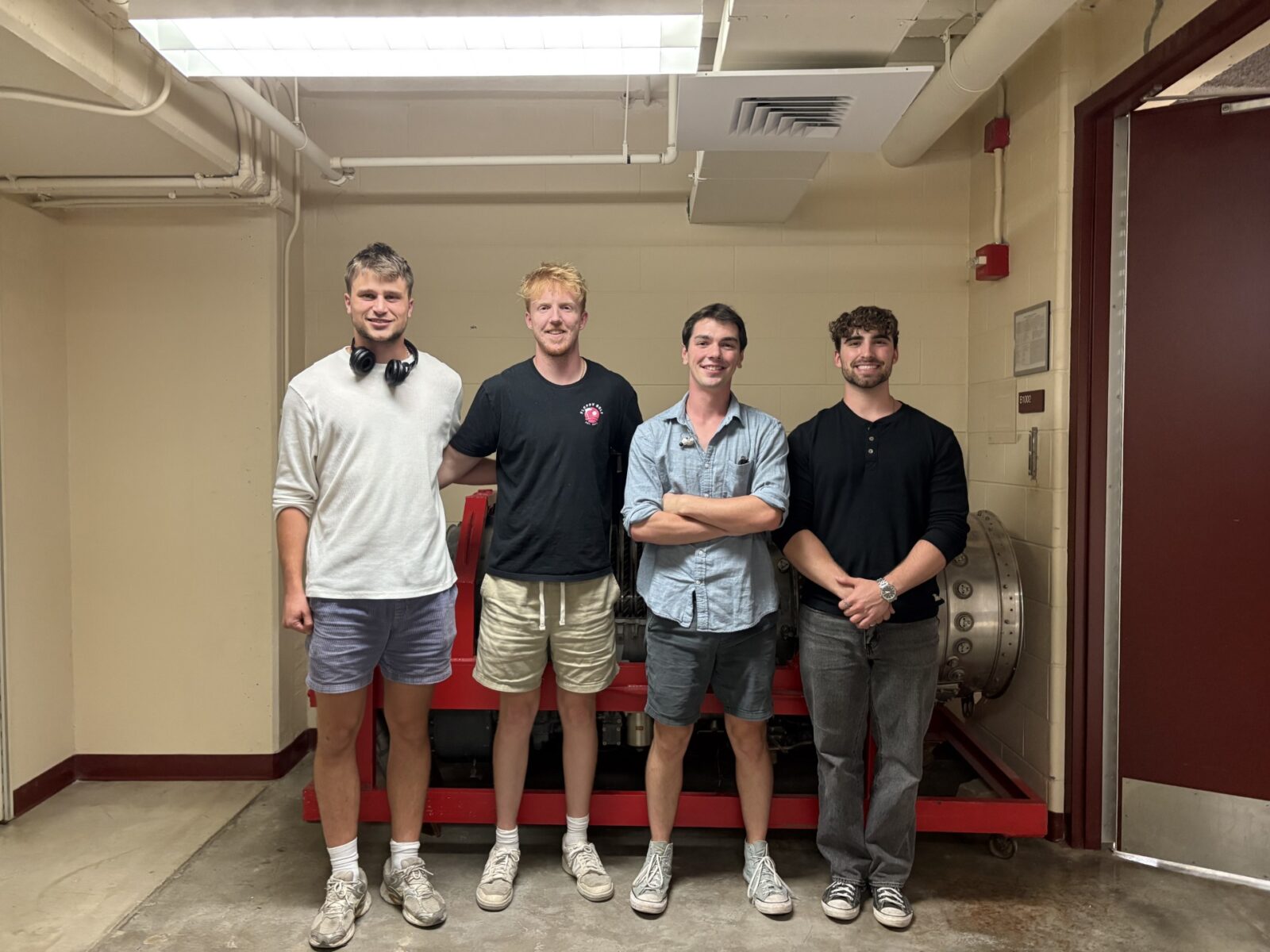
Andrew Walter – communicator
Johnathan Gover – admin
Joe Wills – facilitator
Quentin Rosborough – accountant
Client
Evan Wiedemeier
Oshkosh Corporation