Curious Critters
Animal Cognitive Enrichment

Problem statement
Lemurs in captivity rely on keepers to provide enrichment that offers opportunities for exploration, problem-solving, foraging, and other species-appropriate behaviors they would regularly perform in the wild[1]. While zoos already provide enrichment, they can struggle to keep these interactions varied and engaging. Oftentimes, the lemurs quickly lose interest [2]. At the same time, keepers must consider animal safety, durability, cleaning, and ease of setup. These constraints create a need for enrichment that stimulates lemurs while remaining practical for zoo staff to use regularly. Our project will work with the zoo’s staff to develop a safe, adaptable enrichment device that encourages natural behaviors and engages them cognitively. By promoting more active and exploratory behaviors, the enrichment can improve the lemurs’ daily experience while also giving zoo visitors more opportunities to observe, engage with, and learn about the animals. [1] W. Laméris, J. Verspeek, A. Depoortere, L. Plessers, and M. Salas, “Effects of Enclosure and Environmental Enrichment on the Behaviour of Ring-Tailed Lemurs (Lemur catta),” Journal of Zoological and Botanical Gardens, vol. 2, no. 2, pp. 164–173, Apr. 2021, doi: 10.3390/jzbg2020012. [2] E. Shapiro, H. G. Shapiro, and E. E. Ehmke, “Behavioral responses of three lemur species to different food enrichment devices,” Zoo Biology, vol. 37, no. 3, pp. 146–155, 2018, doi: 10.1002/zoo.21414.
Team members

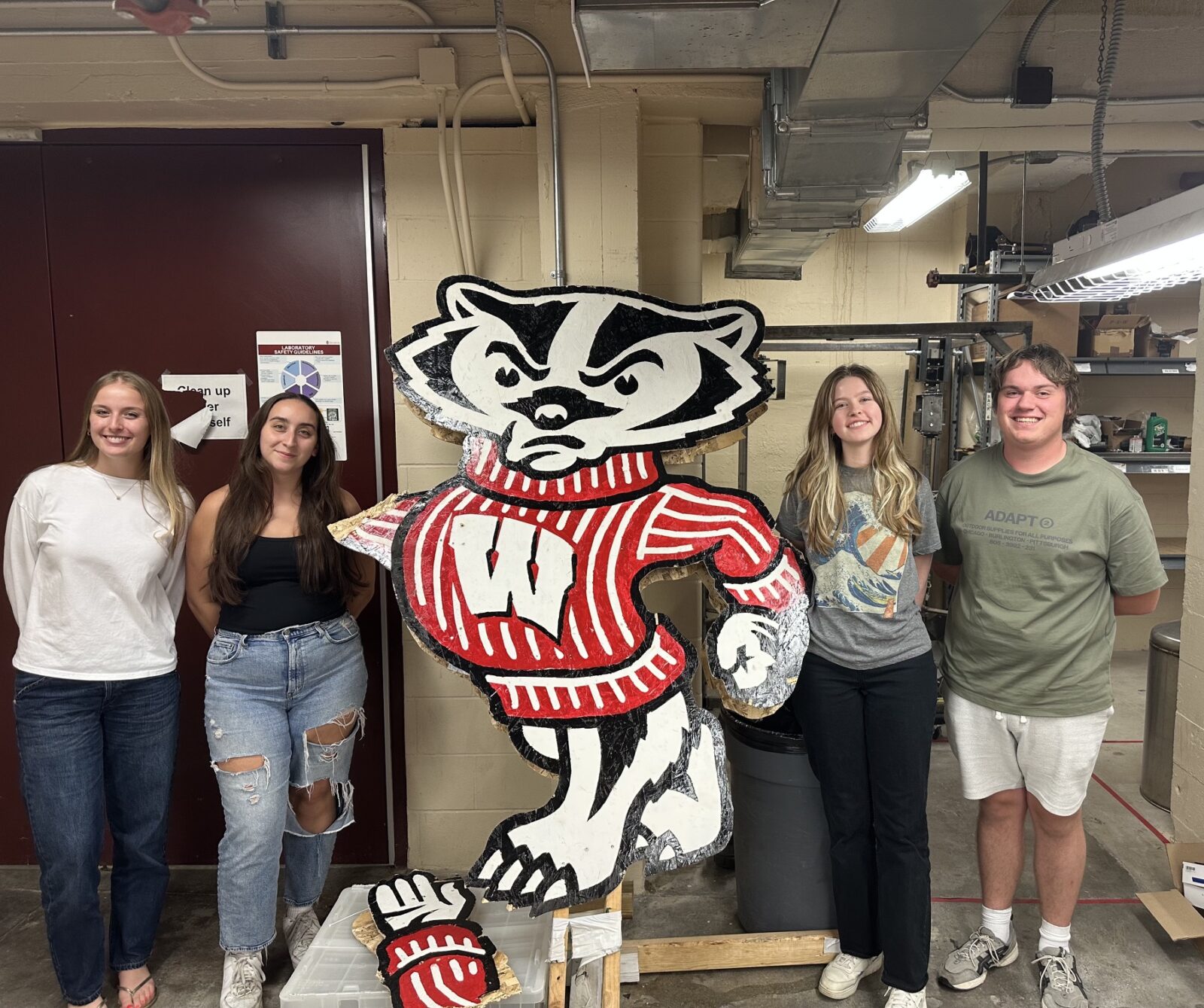
Alexa Pietenpol – accountant
Holly Kludt – communicator
Kira Day – admin
Avery Motylinski – facilitator
Client
Lauren Keltner
Henry Vilas Zoo