Bucky’s Cabin Crew
Automotive Cabin Warm-up Time Characterization
Problem statement
Imagine stepping into a freezing vehicle on a bitter, sub-zero morning, shivering as precious minutes tick away while you wait for the cabin to become safely and comfortably warm. This delayed thermal comfort is a frustrating reality for many drivers in cold climates, where time is wasted simply trying to achieve a tolerable environment. Our client, Polaris, recognizes this critical user experience flaw and seeks to reduce the cabin warm-up time of their latest vehicles to remain competitive in their market. Currently, standard vehicle heating in Polaris vehicles are limited due to the smaller engines 1.5L and smaller. Two vehicles to specifically look at and improve cabin heating are the Polaris Ranger XP1000 North Star Edition and the Polaris Expedition. To overcome these limitations and establish a baseline for superior thermal performance, Polaris has tasked us with conducting a thorough thermal characterization of the Ford EcoSport to evaluate its engine and cabin warm-up times. According to Polaris, the Ford EcoSport does a good job of cabin warmup for small engine vehicles. Polaris wants to focus research on automotive engines as they can release up to 6kw whereas other UTVs including Polaris’ only release 2kw. We intend to analyze the specific heat transfer strategies the EcoSport utilizes, identify areas for improvement, and provide data-driven design recommendations that Polaris can integrate into their own vehicle architectures. Ultimately, our optimized solutions will deliver rapid, efficient cabin heating that scores highly on the Berkeley Comfort Scale, ensuring end-users experience immediate comfort and safety regardless of the extreme outside environment.
Team members

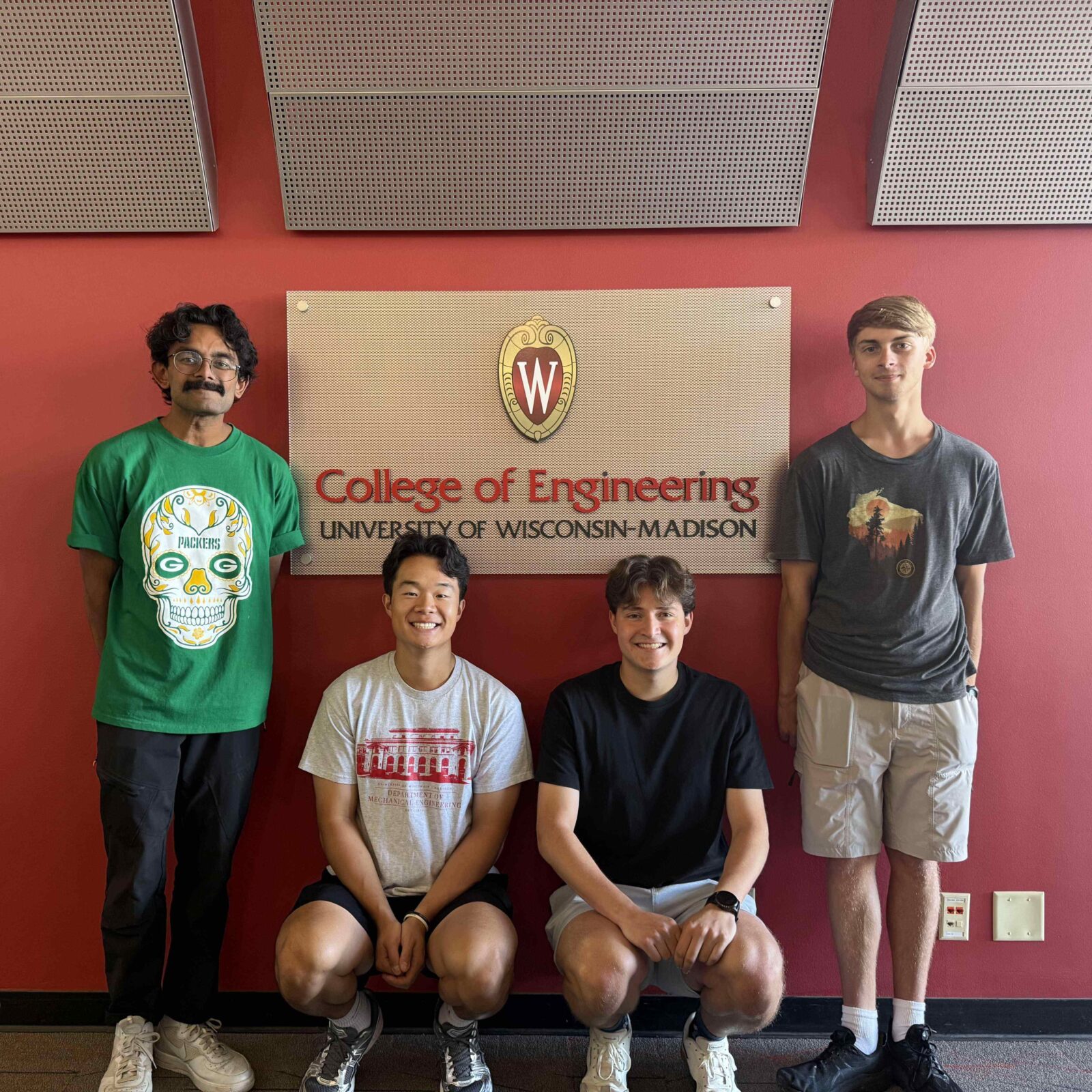
David Eber – facilitator
Eduardo Rangel – communicator
Vivek Patel – admin
Will Choi – accountant
Client
Daniel Nugteren
Polaris