Chevy Blazer
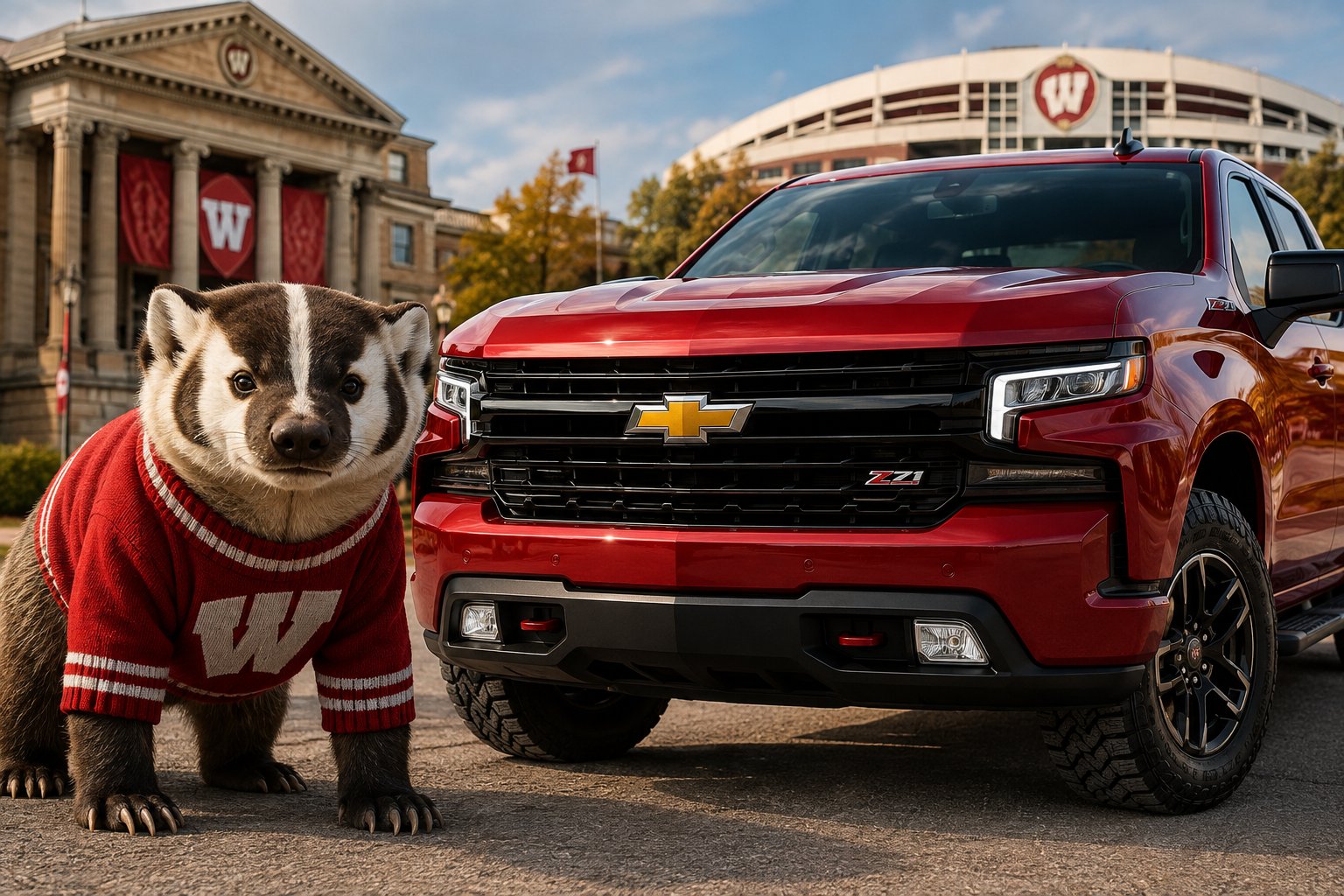
Vehicle Model of the Chevrolet SS Blazer
Problem statement
Accurately measuring how power transitions between dual motors in real time is a tough challenge for engineering teams, and directly affects how well an all-wheel-drive vehicle handles and performs. Static simulations give us a good starting point, but they miss obstacles like sudden steering adjustments, tight turns, and high-speed cornering. For the electric Blazer SS, which relies on independent front and rear powertrains, getting this data right is critical for both safety and driver control. Beyond the engineering team, accurate torque measurements are also important to people such as technicians performing vehicle testing, future researchers who may use the collected data to improve vehicle models, and ultimately drivers and passengers who depend on predictable vehicle behavior. Our team is implementing proven torque-sensing protocols across all four drive axles to measure live, on-road performance under real driving conditions. Physical sensors will introduce electrical noise and calibration challenges, so pairing our road data with standard 4-wheel dynamometer testing will give us a clean, reliable baseline. This approach gives our client and faculty advisors a dependable framework to fine-tune powertrain balance and build a safer, better-handling vehicle.
Team members

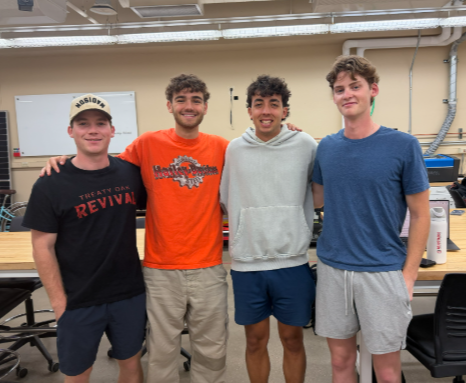
Aidan Costigan – communicator
Christopher Bottari-Tower – admin
Colton Schneider – accountant
Noah Mahrer – facilitator
Client
Glenn Bower
UW – Mechanical Engineering