C.H.E.E.S.E
Conceptual Habitat & Exploration Engineering Systems Effort – NASA Mission Design

Problem statement
Life is something that seems so unique to Earth, but why is that? For centuries, scientists have theorized that extraterrestrial bodies could host lifeforms unfamiliar to us as we know it now. Theory can only go so far, however, and the problem remains that distinctly confirming life’s existence requires extensive work on the ground, out in the vastness of space. For N.A.S.A. and the entirety of the human race, the search for life and the expansion of human exploration do not stop at the Moon or Mars, but are a never-ending mission to advance humankind’s expansion throughout the solar system and deepen our understanding of the universe at large. This mission also necessitates protecting the unique life found here on Earth, either by advancing technology to save lives (radiation research could lead to improved cancer treatment, and applied materials research could save lives in Earth-based transportation) or by locating a second habitable home in the event of Earth’s destruction. Titan, the largest moon of Saturn, is one such celestial body with the potential to both contain life and fuel (both figuratively and literally) further human expeditions into the far reaches of the unknown. Several missions have already made their way to the icy moon: Voyager 1 retrieved atmospheric data [1], Cassini-Huygens visited the surface [2], and Dragonfly is set to return in 2034 for further exploration [3]. Missions such as these have given and will continue to give scientists and researchers valuable insight into the native conditions of Saturn’s moon, but they only scratch the surface. They merely skim the atmosphere and scuttle across the surface for short periods, conducting inflexible experiments and collecting data. If significant breakthroughs were made by Dragonfly, it would still take many more years to send another rover, drone, or probe there to conduct another round of rigorous testing. Some groups are innovating with AI-powered robotics to improve adjustability in space research; however, these systems fall short of human expertise due to extensive computational power requirements and increased vulnerability to radiation [4]. We intend to provide our client, N.A.S.A., with an opportunity to establish a long-term presence on Titan, paving the way for more intensive and adaptive research while simultaneously preparing the Saturn moon as a launch point for future deep-space exploration. Following in the footsteps of the Apollo missions and advancing N.A.S.A. Moon base technologies [5], our solution aims to send manned spacecraft to Titan on behalf of all humanity, establishing a long-term staging base and bringing unparalleled adaptability and expertise to the scientific community. Ultimately, we will produce a plan for travel to and from Titan, specifications for manned excursions and vehicular exploration of the surface, and scientific goals/missions that this preliminary journey will enable. This will lay the groundwork for the future astronauts, engineers, and researchers who will one day call Titan home, transforming our understanding of space-faring habitation, resource acquisition, and life as we know it.
Team members

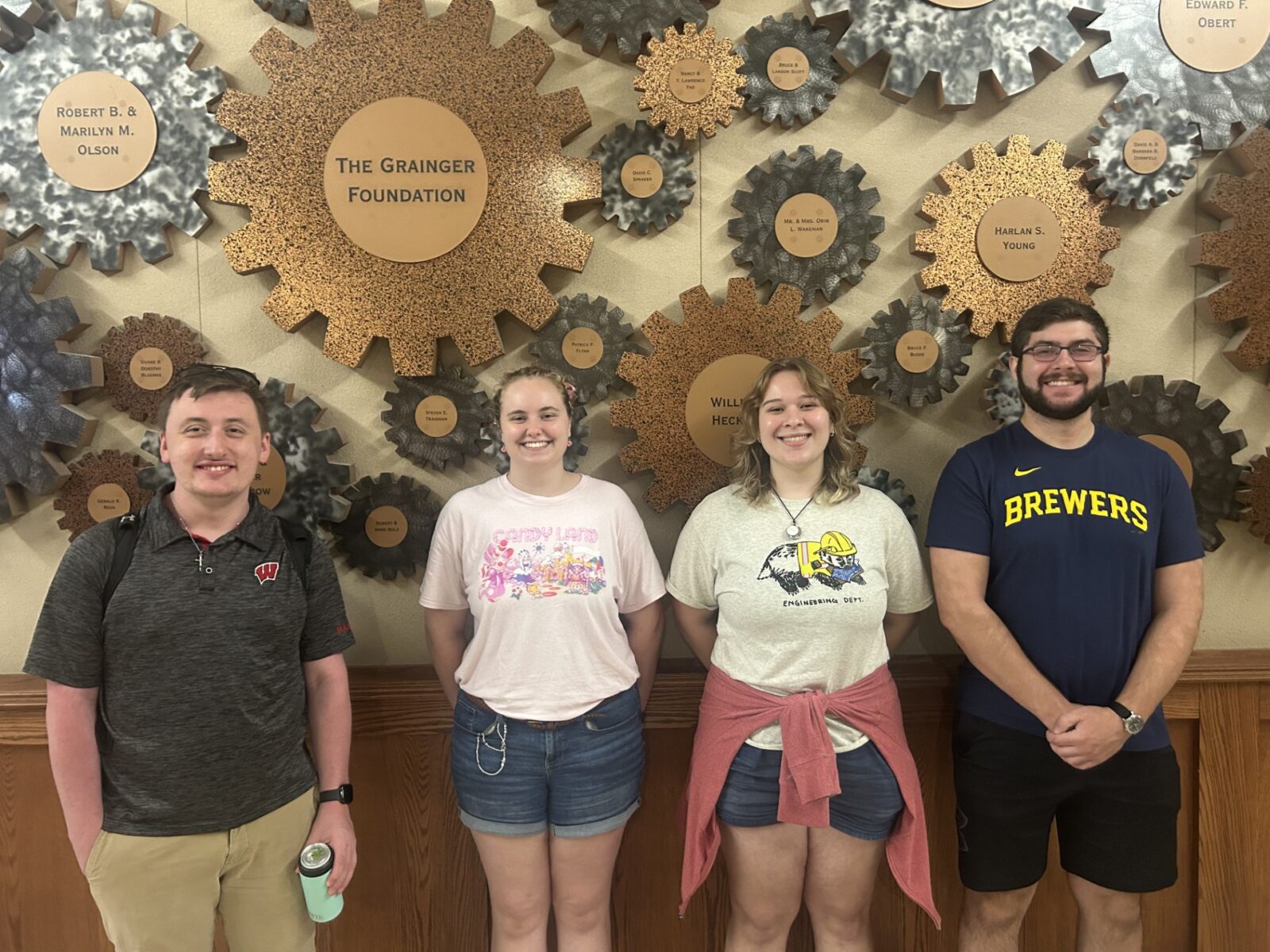
Alexa Matson – facilitator
Anna Zampaloni – communicator
Brett Pagel – accountant
Brady Engel – admin
Client
Nancy Hall
NASA Goddard Research Center