Beer Pressure
The Bent Keg Neck Valve Straightener
Problem statement
Over 2 million kegs are in circulation for Molson Coors at all times being reused for years, many of them reaching 20 years old. They are manhandled and moved which often leads to damage, specifically damage to the entry valve used to refill them. If this valve is too far misaligned the kegs cannot be properly filled which leads to excess foam and inadequate quality (Brewers Association, 2017). Additionally, the misalignment leads to a misdirection of cleaning flow, causing “damage to valves and cleaning equipment” (Micro Matic, 2024). The process to realign the valve is pressurized. The keg spear releases the pressure safely (Micro Matic) to do so but when misaligned, it can be a dangerous procedure, and has tragically fatally injured staff in the past. To prevent this, Molson Coors sends their kegs to South Carolina for repair which can be time exhaustive and expensive. Our team has been tasked with producing a method or part that can safely realign the valves in house and in spec so that our client can confidently realign these valves safely and quickly. The current method for straightening a bent neck valve can deform the bowl at the bottom of the keg which creates another problem while trying to fix the original one. This is a frustrating concern for our client, Carole Walker. She works in brewery research and development and has experience with keg manufacturing and repair. With a lack of a reliable method for correcting bent neck valves, brewery personnel may need to spend additional time inspecting, repairing, or removing otherwise usable kegs from service. Developing a more effective straightening process could help Carole and other brewery professionals repair damaged kegs safely and consistently while eliminating unnecessary damage. This would improve the maintenance process and help extend the useful life of reusable kegs. Although replacing damaged components or redesigning the keg assembly could potentially address some failure modes such as material properties (ASM International, 2010), these approaches may require significant changes to existing equipment, manufacturing processes, or cleaning and filling systems. Before pursuing a specific solution, the full keg system and the root causes of valve damage must therefore be examined. Understanding how valves become bent, how their alignment is currently evaluated, and how the keg moves through filling, cleaning, transportation, and tapping will help determine where and what intervention would be most effective. Therefore, the project will investigate the causes and consequences of bent keg neck valves and evaluate opportunities to create a design to improve the current repair process. The goal is to develop a method that can reliably restore damaged valves while minimizing additional deformation to the keg and fitting within the practical requirements of brewery operations. References ASM International. (2010). Strain induced hardening of advanced austenitic stainless steels: Evaluation of creep properties. https://dl.asminternational.org/am-epri/article/doi/10.31399/asm.cp.am-epri-2010p0933/33107/Strain-Induced-Hardening-of-Advanced-Austenitic Brewers Association. (2017, August). Performance guidelines for refillable kegs. https://cdn.brewersassociation.org/wp-content/uploads/2017/08/Performance_Guidelines_for_Refillable_Kegs.pdf Micro Matic. (2024, December). D System Keg Valve Workshop https://drive.google.com/file/d/15RMtsZG8FVem9Vg20us-XG0ff_Rl5jmb/view?usp=drive_link
Team members

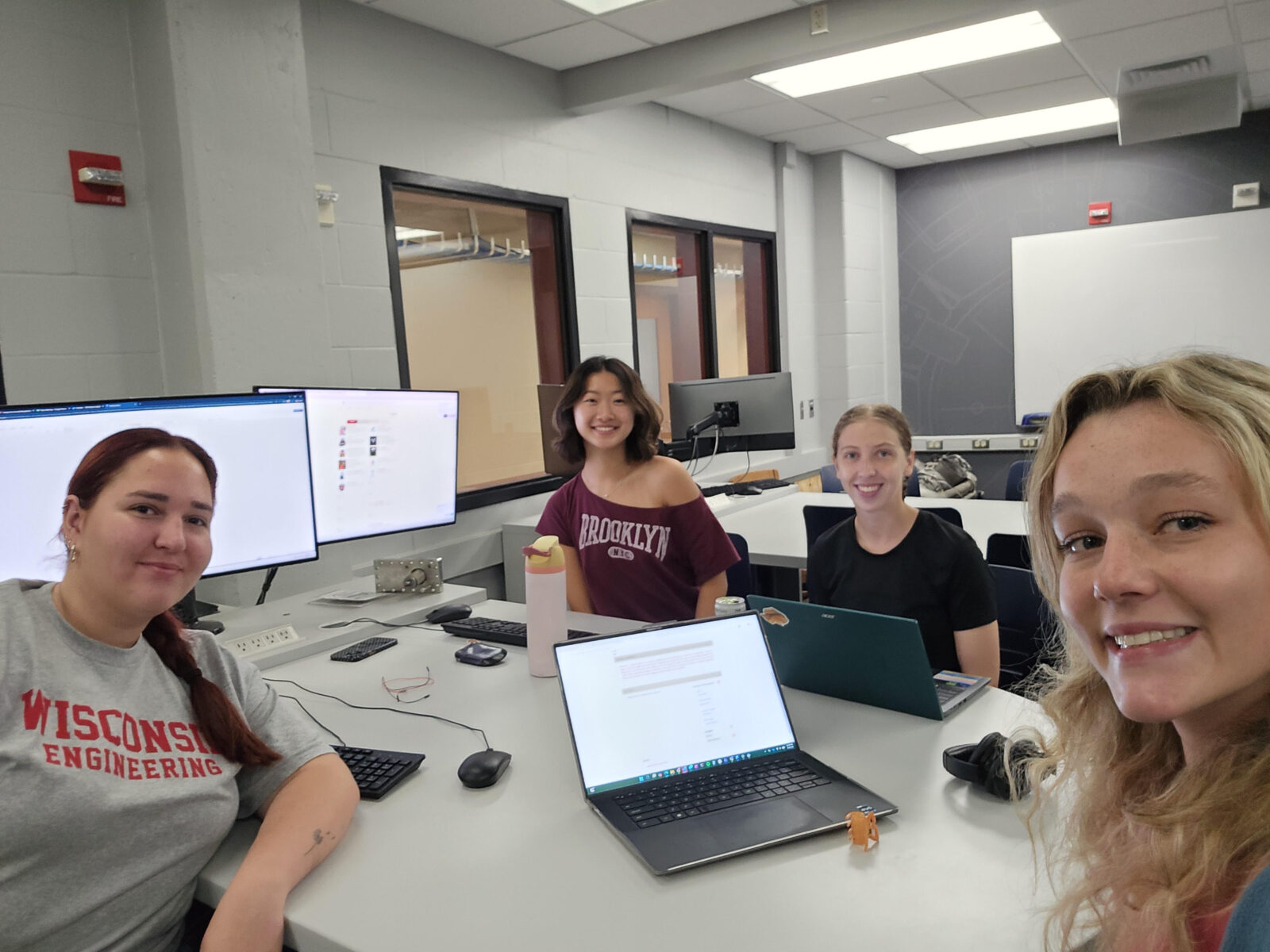
Amy Yi – accountant
Hannah Fiedor – admin
Lauren Knudsen – facilitator
Nina Rowan – communicator
Client
Charles Ho
Molson Coors